Kazakhstan Eases Beef Export Quota Rules, Extends Livestock Export Ban

@МСХ РК
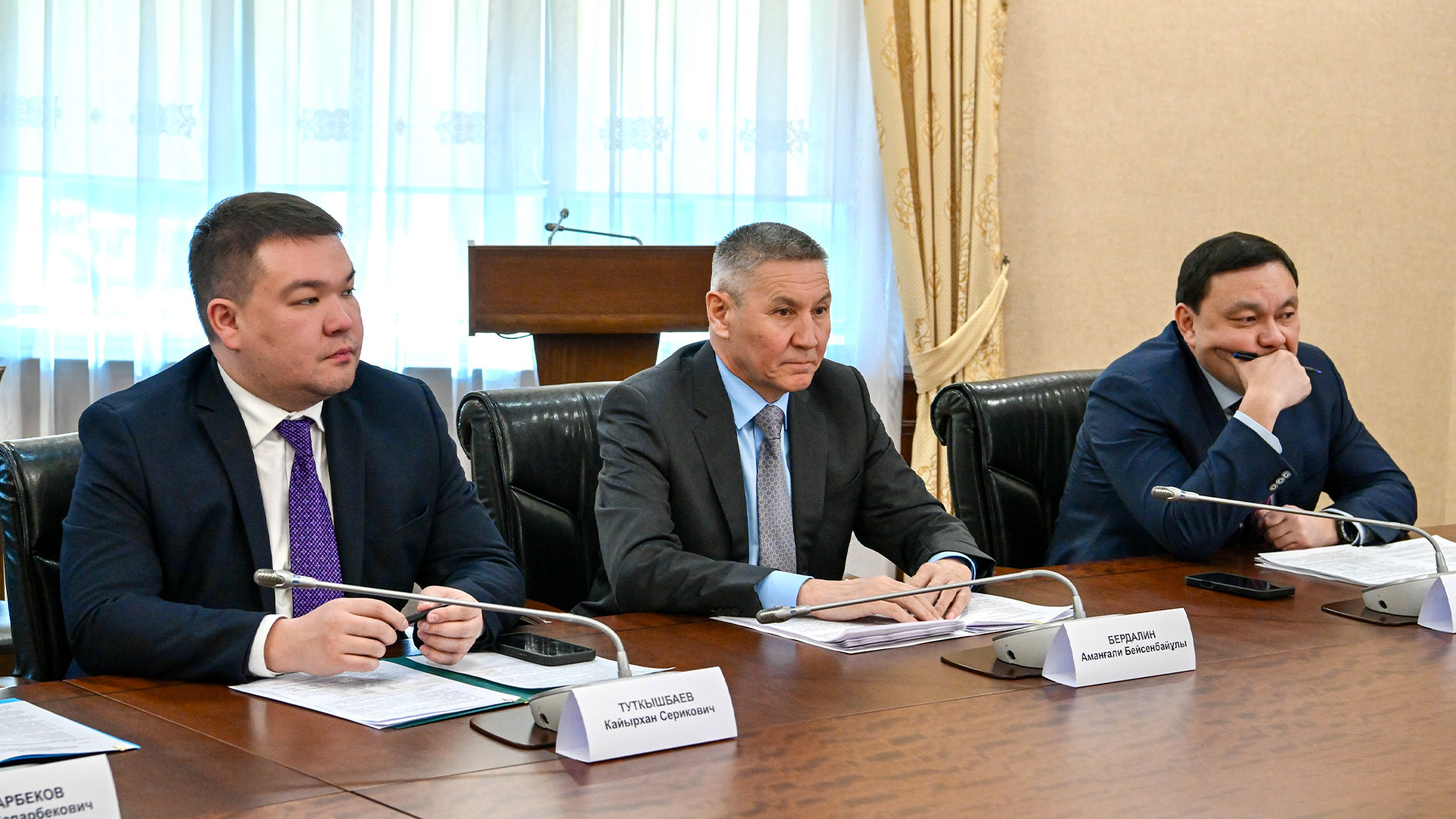
At a meeting of the Interdepartmental Commission on Foreign Trade and Participation in International Economic Organizations (IFC), chaired by Deputy Prime Minister – Minister of National Economy Serik Zhumangarin, key decisions were made affecting the country's food and economic security.
The commission decided against introducing temporary restrictions on potato exports. This decision was based on significant price stabilization in the domestic market and sufficient existing stocks.
Requirements for beef exporters to obtain quotas will be eased. The current quota allocation mechanism includes conditions such as having a proprietary feedlot for at least 5,000 head of cattle and owning a meat processing plant. The IFC also considered the government-approved Comprehensive Livestock Development Plan, which aims to increase the cattle population from 7.9 million to 12 million head, expand export potential, and open new markets for Kazakh beef. The Ministry of Agriculture will make corresponding amendments to the quota distribution rules.
However, to preserve breeding stock and ensure raw materials for domestic processing plants, the commission decided to extend the ban on exporting breeding stock of large and small ruminants, as well as young male cattle (bullocks), including to member states of the Eurasian Economic Union (EAEU).
A six-month ban on imports of chicken eggs will be introduced, including from EAEU countries. Currently, Kazakhstan has 70 poultry farms: 34 focused on egg production, 29 on meat production, and 7 on breeding reproduction. In 2025, production of chicken eggs for consumption increased by 2.4%, reaching 4.5685 billion units. Self-sufficiency in supplying the domestic market has reached 98%. The Ministry of Agriculture will issue a corresponding order.
The commission also reviewed the feasibility of imposing a ban on imports from third countries of components for railway rolling stock and track elements. During discussions, positions were heard from domestic component manufacturers, locomotive producers, and consumers, including JSC "KTZ" (Kazakhstan Temir Zholy).
Following deliberations, it was decided that import restrictions were not advisable. However, JSC "Kazakhstan Temir Zholy" was instructed to prioritize purchasing components for railway rolling stock and track elements from domestic manufacturers.
Source: www.gov.kz